Evaluating the Travel Social Media Stories Template for Professional Content Creation
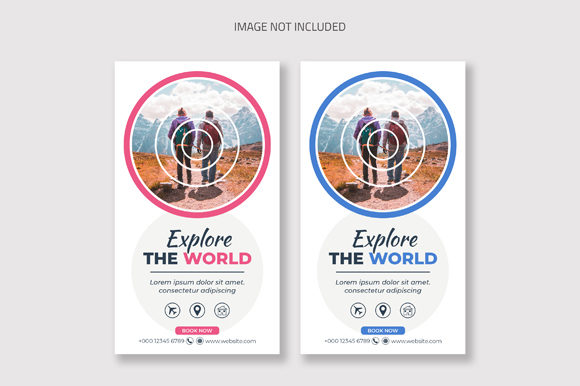
In the fast-paced ecosystem of digital marketing and personal branding, visual consistency is often the differentiator between a casual observer and an engaged follower. For travel bloggers, tourism agencies, and lifestyle influencers, the pressure to produce high-quality, platform-specific content daily can be overwhelming. This is where specialized assets like the Travel Social Media Stories Template become essential tools rather than mere conveniences. This resource is not just a collection of images; it is a structured framework designed to streamline the production of Instagram Stories, Facebook Stories, and similar vertical video or image formats.
The core value proposition of this template lies in its technical foundation. It is provided as a layered PSD (Photoshop Document) file, which immediately signals a level of professional utility that drag-and-drop mobile apps often lack. The files are rendered at 300 DPI in RGB color mode. While 72 DPI is standard for screen display, starting with a 300 DPI source file ensures that every element remains crisp, even if the content is repurposed for high-resolution displays, printed promotional materials, or zoomed-in details within a story. The RGB color space guarantees that the vibrant hues typical of travel photography—sunset oranges, ocean blues, and forest greens—are accurately represented on digital screens.
Technical Specifications and Workflow Integration
For professionals managing multiple client accounts or maintaining a rigorous personal posting schedule, the technical specifications of a template dictate its usability. This specific package includes two distinct PSD files, offering variety without bloating the user's hard drive with unnecessary duplicates. The "layered" nature of these files is the most critical feature. Unlike flattened JPEGs or rigid Canva templates, a layered PSD allows for granular control over every aspect of the design.
Users can isolate text layers to change fonts, adjust kerning, or rewrite copy without disturbing the background elements. Image placeholders are typically set up with clipping masks, allowing creators to drag and drop their own travel photography directly into the frame. This preserves the original aspect ratio and quality of the photo while adhering to the design's aesthetic. Furthermore, the inclusion of all font links in the help information file is a significant time-saver. One of the most common frustrations in using downloaded templates is opening a file only to find that the typography has been replaced by a default system font because the specific typeface was not installed. Having direct links ensures that the visual identity intended by the designer is replicated exactly.
It is important to note a standard limitation in this industry: images are not included in the main file. This is a deliberate choice to respect copyright and keep file sizes manageable. The template provides the stage, but the user must provide the actors—their own photography or licensed stock imagery. For a travel professional, this is actually a benefit, as unique, original photography is the primary driver of engagement in the travel niche.
Design Flexibility and Customization Potential
The strength of the Travel Social Media Stories Template is its balance between pre-designed structure and creative freedom. In the travel sector, aesthetics vary wildly from rugged adventure tourism to luxury resort promotions. A good template must be adaptable enough to serve both. Because the elements are fully editable, a marketer can take a template designed for a beach vacation and, by swapping the color palette and imagery, effectively repurpose it for a mountain hiking campaign.
The customization extends beyond simple text replacement. Professionals can adjust opacity levels, add brand logos, insert call-to-action buttons, or integrate interactive sticker placeholders (which are then added within the social media app itself). The layer organization within the PSD files usually follows logical naming conventions, making it easy to locate specific elements like "Background," "Text Overlay," or "Graphic Accents." This organization reduces the learning curve for new users and speeds up the workflow for experienced designers who need to churn out content quickly.
Practical Applications for Different User Groups
Who benefits most from this asset? The utility spans a wide demographic of digital creators:
- Travel Bloggers and Influencers: Consistency is key to growing an audience. Using a unified template style helps followers instantly recognize content, building brand recall. It allows bloggers to maintain a professional look even when posting on the go, provided they have access to a laptop or tablet with Photoshop.
- Tourism Boards and Agencies: Marketing teams often need to produce campaigns rapidly. These templates provide a cohesive visual language for promoting destinations, ensuring that all stories align with broader marketing guidelines.
- Freelance Social Media Managers: For agencies managing multiple travel clients, having a library of high-quality, editable templates reduces billable hours spent on design from scratch, increasing profit margins while delivering high-value assets to clients.
- Photographers and Videographers: Travel photographers can use these stories to showcase their portfolios or announce new prints. The high-resolution capability ensures their work is presented in the best possible light.
Real-World Performance and Limitations
When evaluating how this template performs in real-world scenarios, one must consider the software requirement. Since these are PSD files, the user requires Adobe Photoshop or a compatible alternative like Photopea or GIMP. This creates a slight barrier to entry compared to browser-based tools, but the trade-off is superior control and quality. For a professional whose livelihood depends on visual output, the investment in learning or accessing Photoshop is negligible compared to the limitations of free, web-based editors.
In terms of effectiveness, templates of this nature solve the "blank canvas" problem. They provide a starting point that adheres to design principles such as hierarchy, balance, and contrast. However, users must be cautious not to over-edit. The temptation to add too many effects or deviate significantly from the original layout can sometimes degrade the professional polish that the template offers. The most effective use case involves respecting the original design intent while injecting brand-specific elements.
Another practical consideration is the "help information file" included in the download. For less tech-savvy users, this document is invaluable. It often contains instructions on how to replace smart objects, where to download fonts, and tips for exporting the final file for social media optimization. Ignoring this resource can lead to unnecessary frustration.
Long-Term Value and Return on Investment
The long-term value of purchasing a Travel Social Media Stories Template extends beyond a single campaign. Once the initial setup is complete—installing fonts and understanding the layer structure—the template becomes a reusable asset. It can be adapted for seasonal promotions, flash sales, or daily updates. When calculated against the cost of hiring a graphic designer for individual story posts, the return on investment is substantial.
Moreover, the quality of the output reflects directly on the brand's perceived authority. Sloppy graphics with misaligned text or pixelated images can undermine trust, especially in the travel industry where customers are investing significant money into experiences. A polished, 300 DPI-ready template ensures that the visual presentation matches the quality of the service or destination being sold.
Final Recommendations for Implementation
To maximize the potential of this template, users should organize their digital assets before beginning. Have a folder of high-resolution travel photos ready, along with hex codes for brand colors and the correct logo files. Before exporting the final story, always preview the design on a mobile device to ensure text is legible against the background and that no critical elements are obscured by the social media interface (such as the reply bar or profile icon).
In conclusion, the Travel Social Media Stories Template represents a pragmatic solution for modern content creation. It bridges the gap between amateur experimentation and professional design. By offering high-resolution, fully layered, and customizable files, it empowers creators to maintain a high standard of visual communication without sacrificing efficiency. While it requires a basic proficiency in image editing software, the flexibility and quality it provides make it a worthy addition to the toolkit of any serious travel marketer, blogger, or creative professional looking to elevate their social media presence.