Visualizing Hydration: A Guide to Daily Water Tracker Clip Art
In the modern landscape of digital content creation and personal organization, visual elements play a pivotal role in communication. Among the myriad of graphic resources available, Daily Water Tracker Clip Art has emerged as a versatile tool for designers, educators, health coaches, and hobbyists alike. These graphics are not merely decorative; they serve a functional purpose in helping individuals visualize their hydration goals, track progress, and maintain motivation. This article explores the utility, characteristics, and practical applications of high-quality water tracker graphics, specifically focusing on collections that offer extensive variety, such as those featuring 100 distinct colors.
The Role of Visuals in Health Tracking
Tracking daily water intake is a common health objective, yet maintaining consistency can be challenging. This is where visual aids become essential. Daily Water Tracker Clip Art transforms abstract numbers into tangible, colorful representations. When integrated into planners, apps, or printed charts, these images provide immediate feedback and a sense of accomplishment. The psychological impact of coloring in a glass or moving a digital sticker cannot be overstated; it gamifies the experience of staying hydrated.
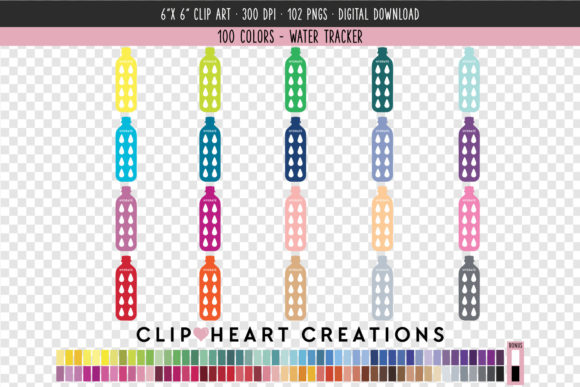
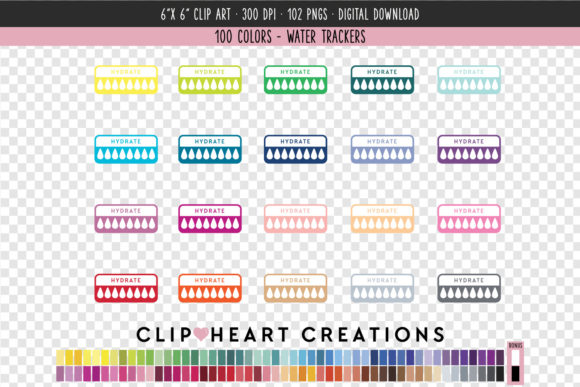
For professionals creating health materials, the availability of diverse assets is crucial. A collection offering 100 colors allows for a level of customization that standard black-and-white line art simply cannot match. Whether matching a specific brand palette for a corporate wellness program or coordinating with a scrapbook page's theme, having a wide spectrum ensures that the visual language remains consistent and engaging.
Technical Specifications and Quality Standards
When selecting graphic resources for professional or personal projects, understanding the technical specifications is vital to ensure the final output meets quality expectations. High-quality Water Tracker Clip Art collections typically adhere to rigorous standards:
- Format: Files should be provided in PNG format. This format supports transparent backgrounds, which is critical for layering images over different colored papers, digital backgrounds, or complex layouts without unsightly white boxes surrounding the graphic.
- Resolution: For print applications, a resolution of 300 DPI (dots per inch) is the industry standard. This ensures that whether the image is used on a small gift tag or a large poster, the edges remain crisp and clear, avoiding pixelation.
- Dimensions: Standardizing file sizes, such as 6 x 6 inches, provides flexibility. It allows the user to scale the image down for small details like cupcake toppers or keep it large for focal points in web graphics.
- Organization: Efficient workflows require organized assets. Collections where all files are saved separately and compressed into a single zip folder streamline the installation and access process.
It is also important to note that professional collections remove any watermarks upon purchase. Watermarks are useful for previewing but detrimental to the final design. Ensuring clean, unobstructed files is a baseline requirement for any serious project.
Diverse Applications Across Industries
The versatility of Daily Water Tracker Clip Art extends far beyond simple checklists. Its application spans various industries and creative endeavors, proving its value as a multifunctional asset.
- Scrapbooking and Memory Keeping: Enthusiasts often document health journeys alongside other life events. Using colorful water icons allows scrapbookers to create visually appealing spreads that track monthly hydration habits alongside fitness milestones.
- Educational Materials: Teachers and pediatricians can use these graphics to teach children about the importance of drinking water. Bright, varied colors capture attention better than monochrome drawings, making learning interactive and fun.
- Small Business and Retail: Owners of boutique fitness studios or health food cafes can utilize these clips for gift wrap, gift tags, and invitations to events. For instance, a "Hydration Challenge" event could feature invitations adorned with specific color-coded water drops representing different fruit infusions.
- Digital Product Creation: Designers creating digital planners for tablets rely heavily on transparent PNGs. A set of 100 colors allows them to offer users a "sticker book" experience within a PDF planner, enhancing the user interface of their digital products.
- Fabric and Merchandise: With high-resolution files, these graphics can be transferred onto fabric for custom aprons, tote bags, or t-shirts, promoting a healthy lifestyle message through wearable art.
Evaluating Suitability for Your Projects
Not all clip art collections are created equal, and choosing the right one depends on the specific needs of your project. When considering a Water Tracker Clip Art set, evaluate the following factors:
Variety vs. Uniformity: If you are building a cohesive brand identity, you might prefer a limited palette. However, for general-purpose use, such as stock content for a blog or varied craft projects, a collection with 100 colors offers unparalleled freedom. It eliminates the need for manual recoloring in software like Photoshop, saving significant time.
Style Consistency: Ensure that all 100 elements share a consistent artistic style. Some collections mix flat design with hand-drawn sketches, which can look disjointed in a single project. The best collections maintain a uniform line weight and shading technique across all color variations.
Licensing and Usage Rights: Always verify the license agreement. While most personal use licenses cover scrapbooking and home decor, commercial projects like selling printed cupcake toppers or web graphics may require an extended commercial license. Understanding these boundaries prevents legal issues down the line.
Practical Scenarios and Real-World Examples
To illustrate the practical value of these assets, consider a few real-world scenarios. Imagine a nutritionist launching a 30-day wellness challenge. They need to send weekly emails with printable trackers. By utilizing a Daily Water Tracker Clip Art set with 100 colors, they can assign a different color to each week, creating a visual progression that keeps participants engaged. The high resolution ensures that when clients print these at home, the quality remains professional.
Alternatively, consider a wedding planner organizing a summer outdoor wedding. Hydration stations are a key feature. The planner can use the clip art to design custom stickers for water bottles, matching the wedding's color scheme perfectly by selecting the exact hues from the 100-color collection. These stickers can also be adapted into gift tags for favor bags, creating a unified aesthetic without the cost of custom illustration.
In the realm of web design, a fitness blogger might use these graphics to break up text-heavy articles about health. Instead of generic stock photos, using specific, colorful water icons adds a unique personality to the site. Since the files are transparent PNGs, they blend seamlessly into any website background, enhancing readability and visual appeal.
Limitations and Considerations
While Daily Water Tracker Clip Art is incredibly useful, it is not a panacea for all design needs. Users should be aware of certain limitations. First, clip art is static; it does not replace the functionality of an interactive app unless integrated by a developer. Second, while 300 DPI is excellent for print, using these files on the web requires optimization to reduce file size for faster loading times, even if the original quality is high.
Furthermore, the sheer volume of 100 files can be overwhelming for some users. Effective file management is necessary to locate specific colors quickly. Renaming files logically or creating a visual index sheet can mitigate this issue.
Conclusion
The integration of Daily Water Tracker Clip Art into creative and professional workflows offers a blend of aesthetic appeal and functional utility. From the detailed requirements of 300 DPI resolution and transparent backgrounds to the expansive possibilities offered by a 100-color palette, these resources empower users to communicate health messages effectively. Whether used for scrap booking, cards, fabric designs, or web graphics, the value lies in the ability to customize and engage. By understanding the features and appropriate applications of these tools, creators can enhance their projects, making the pursuit of hydration both visible and vibrant.