Strategic Visual Positioning with Curve Web Horizontal Banner Papercut Designs
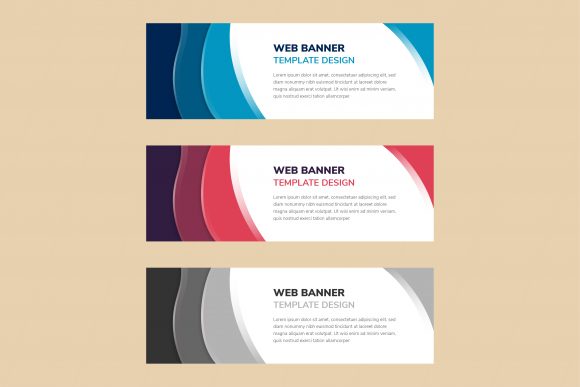
In the crowded digital landscape, the difference between a user scrolling past your content and engaging with your brand often comes down to split-second visual recognition. The Curve Web Horizontal Banner Papercut represents more than just a stylistic trend; it is a strategic asset for businesses aiming to establish a distinct visual identity. When utilized correctly, this design approach—characterized by layered geometric elements, depth, and a sophisticated interplay of red, blue, and grey tones—can significantly enhance communication clarity and brand perception.
For entrepreneurs, marketers, and creative directors, the decision to adopt a specific visual language like papercut illustration should never be arbitrary. It requires an understanding of how visual hierarchy influences user behavior. A horizontal banner featuring flat website design principles combined with the tactile illusion of paper layers offers a unique balance: it feels modern and tech-forward while retaining a human, crafted touch. This duality is essential for brands that wish to appear innovative yet accessible.
The Strategic Value of Layered Geometric Communication
The core strength of the Curve Web Horizontal Banner Papercut lies in its ability to guide the viewer's eye through complex information without overwhelming them. Unlike flat, one-dimensional graphics that can sometimes feel sterile, the papercut style introduces depth through shadow and layering. This mimics the way humans process physical space, making the digital experience feel more intuitive.
When you integrate these creative geometric elements into your web layout or advertising campaigns, you are essentially creating a visual roadmap. The curves lead the eye, the layers separate foreground from background, and the color palette—often utilizing high-contrast combinations like red for action, blue for trust, and grey for stability—reinforces your message subconsciously. For a business advertisement design collection, this means every element serves a purpose. There is no "filler"; every polygon and curve contributes to the narrative.
Consider the psychological impact of the colors typically found in these vectors. Red commands attention and signals urgency or passion, making it ideal for call-to-action buttons or promotional headers. Blue instills confidence and professionalism, crucial for corporate covers or informational footers. Grey provides the necessary neutral ground that prevents visual fatigue. By leveraging a multicolored yet harmonious set, you ensure that your marketing materials resonate emotionally while maintaining structural integrity.
Planning Your Visual Identity for Long-Term Results
Adopting a Curve Web Horizontal Banner Papercut style should be part of a broader branding strategy, not a one-off experiment. Before implementing these assets, decision-makers must evaluate their current brand positioning. Does your audience respond well to modern, abstract concepts? Are you trying to signal a shift toward technology and future-thinking solutions? If the answer is yes, then this illustration style is a potent tool.
Effective planning involves more than just selecting a template. It requires auditing your existing collateral to ensure consistency. If your social media posts, email headers, and website banners all utilize similar geometric languages and color palettes, you build a cohesive brand ecosystem. This consistency reduces cognitive load for your customers, allowing them to recognize your communications instantly across different platforms.
- Define Your Objective: Are you launching a new product, rebranding, or explaining a complex service? The flexibility of vector illustrations allows you to tailor the complexity of the scene to match the depth of your message.
- Audience Alignment: Ensure the abstract nature of the design does not obscure your value proposition. While artistic, the primary goal remains clear communication.
- Scalability: One of the greatest advantages of using 100% vector files (AI, EPS, SVG) is scalability. Your banner must look crisp on a massive desktop monitor and a small mobile screen alike.
By approaching the Curve Web Horizontal Banner Papercut with these strategic questions in mind, you transform a graphic resource into a foundational element of your marketing operations.
Operational Efficiency and Creative Flexibility
From an operational standpoint, the utility of high-resolution, editable vector assets cannot be overstated. Time is a scarce resource for freelancers, small business owners, and internal marketing teams. A well-organized file structure, where text, shapes, and colors are fully editable, drastically reduces production time. Instead of commissioning custom illustrations for every campaign variation, you can adapt a single Curve Web Horizontal Banner Papercut base to fit multiple contexts.
Imagine needing to create a series of promotional banners for a quarter-long campaign. With a robust template, you can swap out the headline, adjust the accent colors to match specific holidays or product lines, and modify the geometric arrangement to highlight different features. This agility allows your team to pivot quickly in response to market changes without sacrificing design quality.
Furthermore, the technical specifications matter. Files provided at 300dpi ensure that your print materials—such as business cards, brochures, or event signage—maintain the same high fidelity as your digital ads. The inclusion of formats like JPG for immediate web use and SVG for responsive web development ensures that your designers and developers have exactly what they need to execute flawlessly. This seamless workflow supports better productivity and reduces the friction between creative conception and final deployment.
Risks of Implementation Without Context
While the aesthetic appeal of papercut designs is undeniable, there are risks associated with using them without a clear strategic framework. The primary danger is prioritizing style over substance. If the abstract elements become too dominant, they can distract from the core message. A user might admire the artwork but fail to understand what you are selling or promoting.
Another risk is inconsistency. If you use a highly stylized Curve Web Horizontal Banner Papercut for your header but switch to generic stock photography for your body content, the disconnect can confuse your audience. It creates a fragmented brand experience that undermines trust. To avoid this, the visual language established in your banners should echo throughout your entire web layout, including footers, sidebars, and presentation slides.
Additionally, relying on pre-made templates without customization can lead to a "cookie-cutter" appearance. Since these resources are available to many, it is vital to edit the colors, rearrange the layers, and integrate your unique typography. The goal is to make the template yours, ensuring that your business advertisement design stands out rather than blending into the background of similar-looking sites.
Practical Applications Across Industries
The versatility of this design style makes it applicable across a wide range of sectors. For technology companies, the geometric, polygonal look suggests precision and innovation. For educational institutions, the layered approach can visually represent the building blocks of knowledge. Corporate entities can use the clean lines and professional color palette to convey stability and forward-thinking leadership.
Here are a few specific scenarios where this resource adds maximum value:
- Website Headers: Use the horizontal format to create an immediate impression of depth and professionalism above the fold.
- Email Marketing Campaigns: Incorporate the banner as a header image to increase open rates and click-throughs by providing a visually distinct anchor.
- Social Media Covers: Adapt the wide aspect ratio for LinkedIn or Twitter profiles to maintain brand consistency across networks.
- Presentation Decks: Utilize the individual vector elements to create custom slide backgrounds that keep your audience engaged during pitches or reports.
- Print Collateral: Leverage the high-resolution output for trade show banners, flyers, and annual reports.
In each of these cases, the Curve Web Horizontal Banner Papercut acts as a versatile container for your information, framing your content in a way that feels both premium and approachable.
Making the Decision to Invest in Quality Assets
Ultimately, the choice to utilize high-quality vector illustrations is a decision to invest in the perceived value of your brand. In a digital economy where attention is the currency, cutting corners on design can be costly. A poorly designed banner can signal a lack of professionalism, whereas a thoughtfully crafted, layered illustration signals attention to detail and a commitment to quality.
When evaluating resources, look for collections that offer comprehensive support. A package that includes AI, EPS, JPG, and SVG formats demonstrates a provider who understands the diverse needs of modern creators. Well-organized layers and editable components are not just conveniences; they are necessities for efficient workflows. By choosing a resource that empowers you to iterate and customize, you future-proof your marketing efforts.
Remember, the goal is not just to have a "pretty" website. The goal is to communicate effectively, build trust, and drive action. The Curve Web Horizontal Banner Papercut, with its blend of artistic flair and structural logic, provides the canvas upon which you can paint your brand's success story. Use it intentionally, plan its integration carefully, and watch as it elevates your visual communication from standard to exceptional.
As you move forward with your design projects, keep in mind that the best tools are those that disappear into the work, allowing your message to shine. Let the geometry serve the strategy, and let the colors speak to your audience's emotions. With the right approach, these vector assets will become indispensable components of your creative toolkit, supporting your goals today and scaling with your ambitions tomorrow.